Friday, August 21, 2015

Summer Bike Ride, Through The Lens


Last weekend's bike ride began slow and easy, coasting downhill from the house to a nearby park...
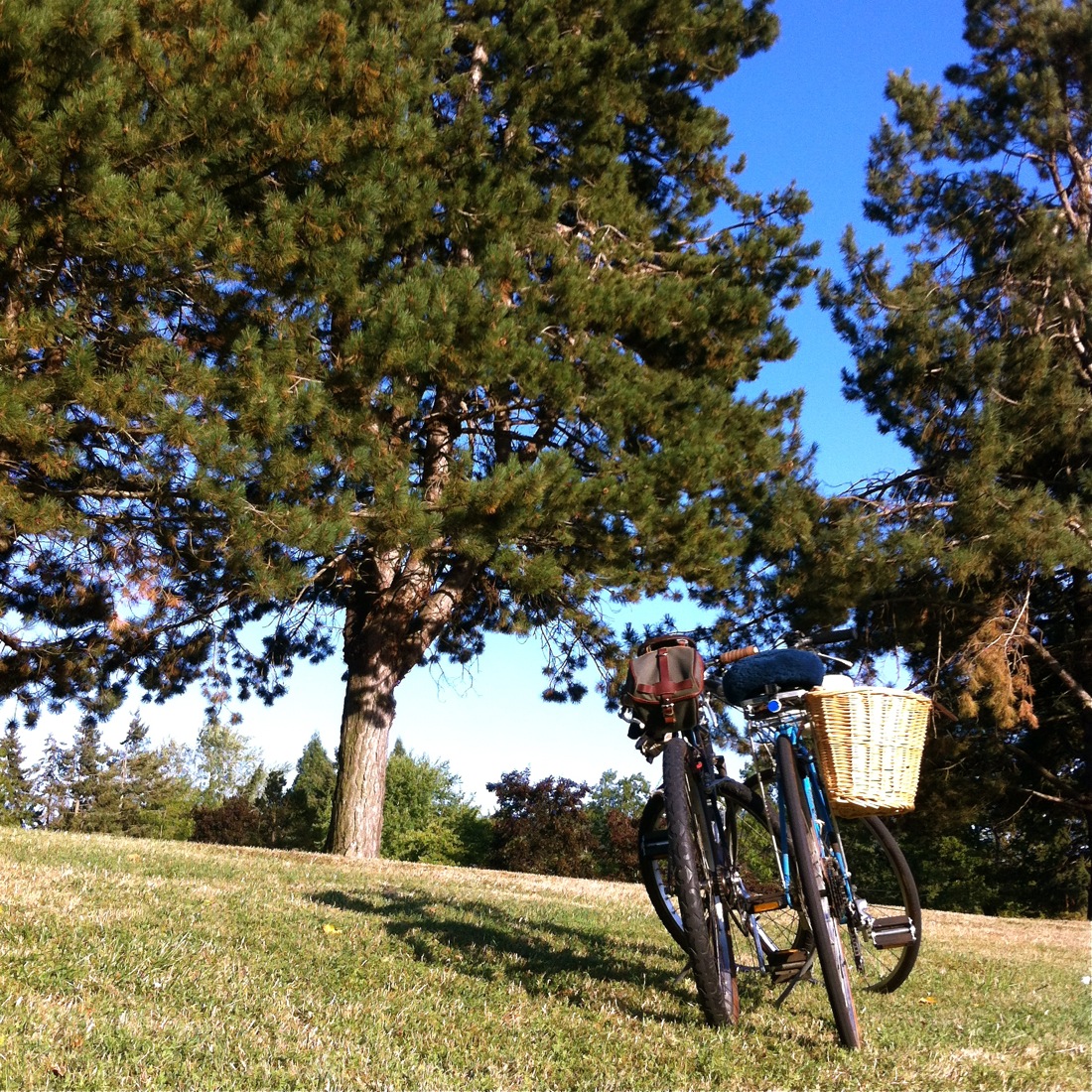
bike ride, park, city bike ride in the park, Miyata bicycle, Trek bicycle, vintage Trek single speed, old US made Trek bike frame with Bridgestone MB1 fork, homebrew single speed

Where we laid out a blanket, napped, watched the wildflowers sway in the warm breeze...

summer flower, white summer flower, flower in the park

Noticed the play of shadow and light:
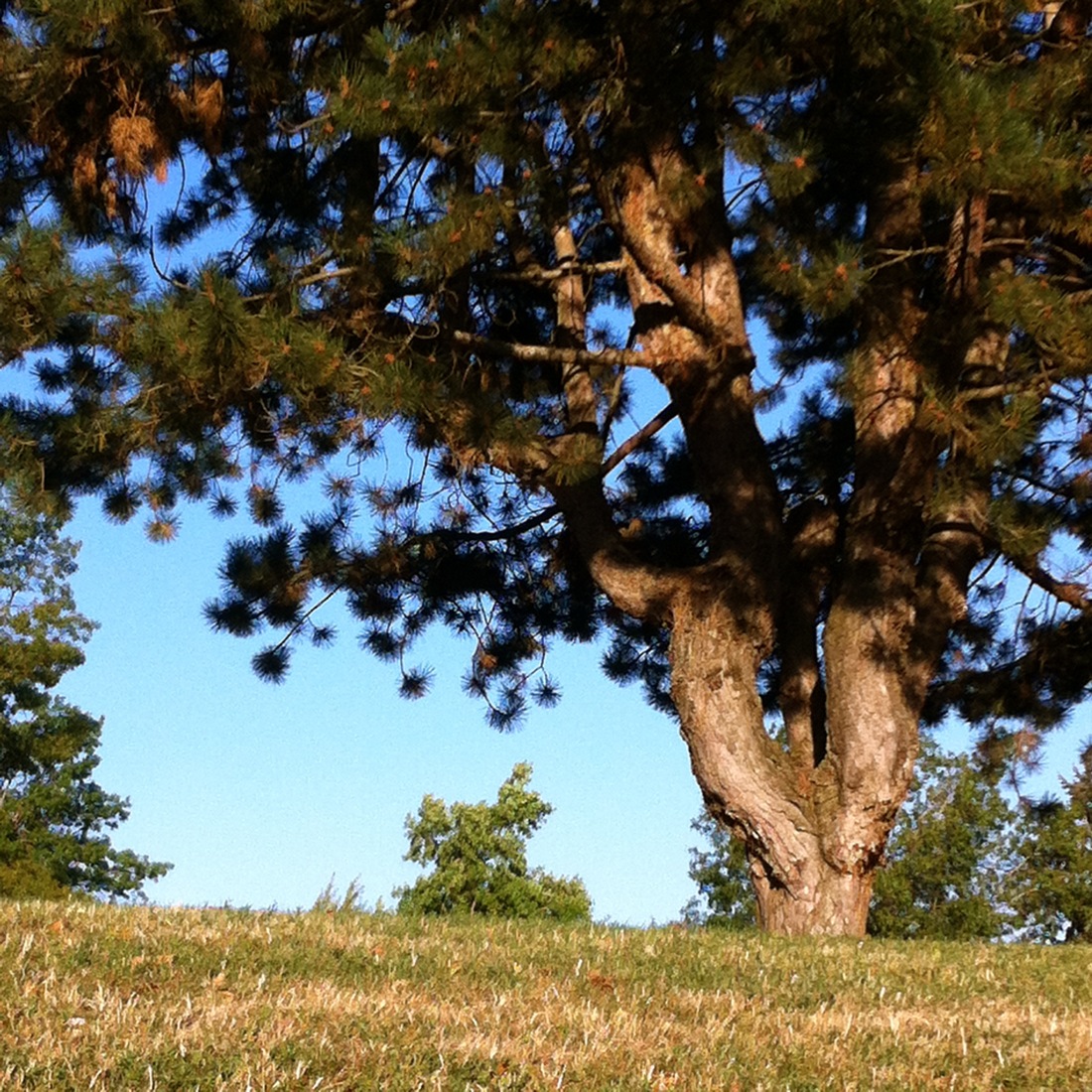
pine tree in shadow and light, shadow and light, summer shadow and light, pine tree in the park, summer pine tree

Then the ride back uphill; blood flowing, hearts pounding. Fifteen minutes of pure hard exercise. Done!

All photos taken with an iPhone.
SHARE:

Saturday, August 15, 2015

Home Is Where The HeART Is: Thoughts On Art And Home

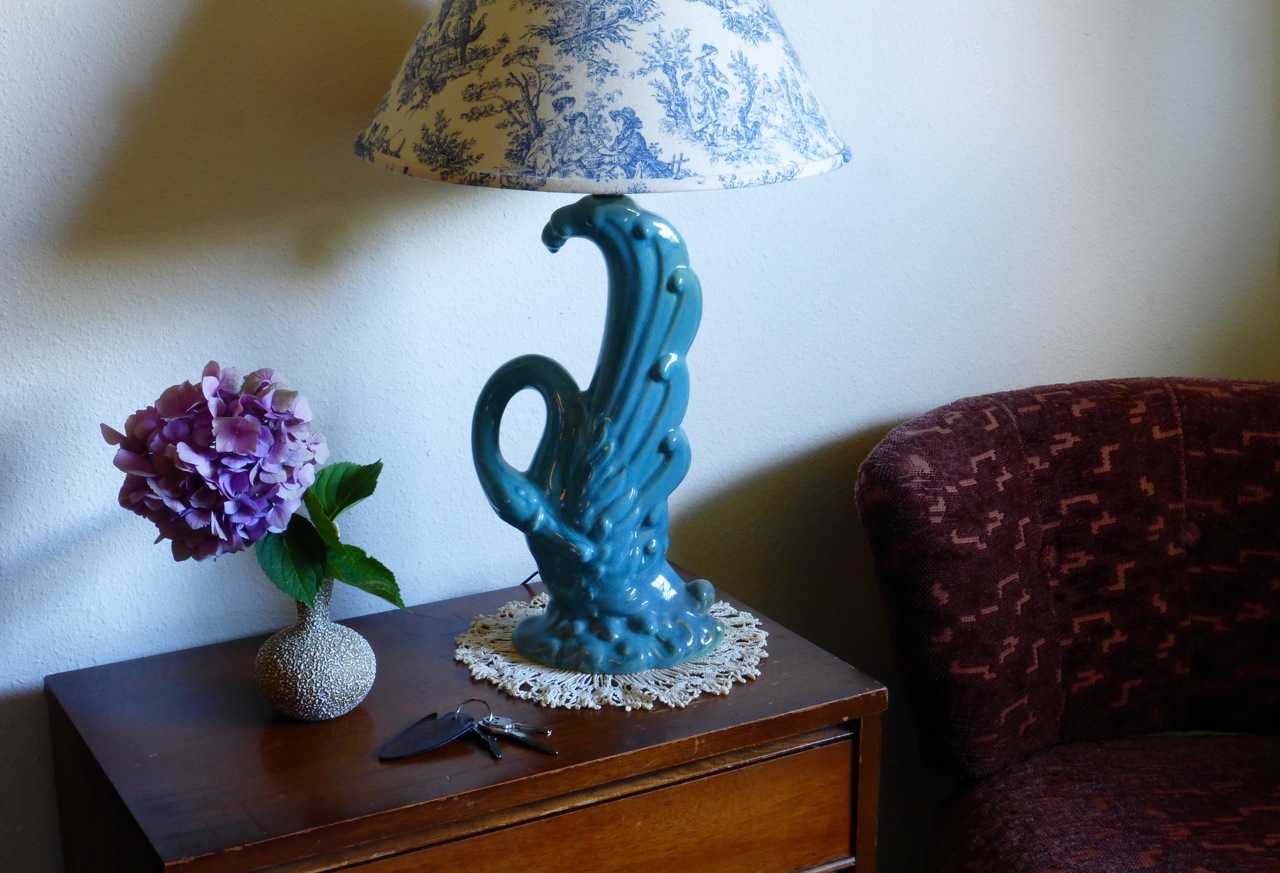
stories of home, what home means to me, vintage furniture, vintage floral vase, vintage bird lamp, vintage dresser, vintage chair

Our home is a place where artistic expression flourishes. As parents, and as individuals, James and I strive for a supportive home environment that encourages active learning, quiet contemplation, and a healthy imagination. For it is these activities, carried out in the refuge of home, that help to develop our creativity and are what connects our family's hearts and minds to each other and to the outside world.  

All that being said, our home is a constant flurry of daily activity (school, work, shopping, errands, and the never ending 'to-do' list), with the added confusion of various creative 'works in progress' occupying the dining room table, the living room floor, and don't even ask about the garage! Guests may notice that our house is small and cluttered, that it is a bit disorganized and the floors probably need sweeping. But frankly, we are too busy to be thoroughly organized and dust free. After all, there are magazines that need to be cut up for collage projects, guitars that need to be hot rodded, and paint that needs to be splattered. Not to mention a garden that needs tending, teenagers (and birds!) to feed, and well, fifteen mile bike rides or paddles up the millrace in the canoe for the requisite exercise.

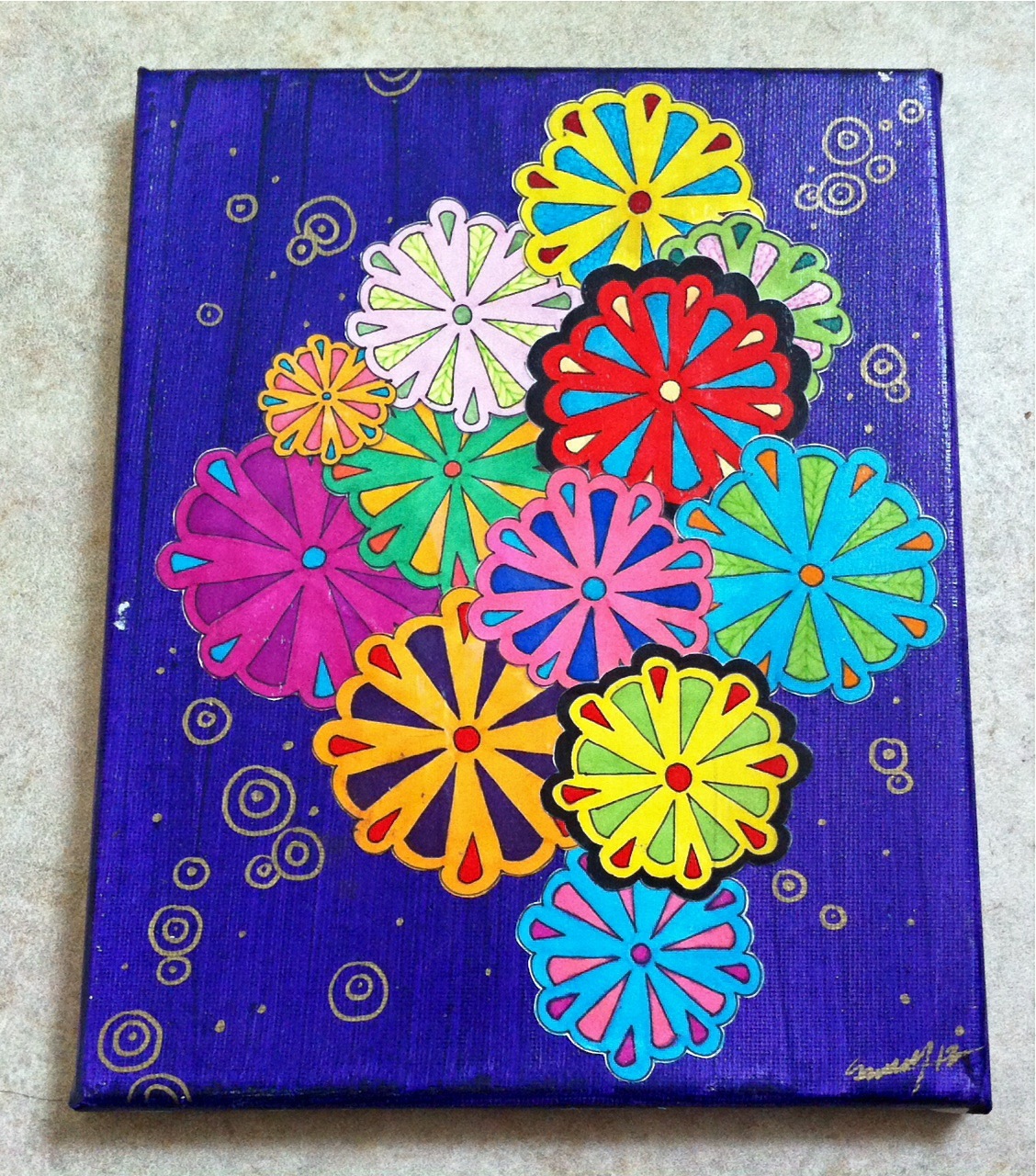
In spite of never having enough time, each of the four members of our family has found ways to enjoy following our passions: developing our skills, actively experimenting in our chosen mediums and forms of expression, and becoming comfortable working within our own unique styles.

For example our young adult daughter Audrey enjoys working in mixed mediums, incorporating paints, paper and fine-point drawing pens in her art. Besides being a self taught artist, she also loves to knit, is an avid reader of literature and still finds time to go traveling, camping, and hiking. Audrey is on her own now, and although she is quite outgoing and social, I can see that she still values time well spent at home in creative endeavors.

Audrey Anderson, Audrey Anderson art, art by Audrey Anderson, stories of home, what home means to me, multi media art

Our teenage son Takeō is also a self taught artist. In his younger years, Takeō drew mostly in pencil, but these days he draws using a stylus on a Wacom tablet:

Takeō Anderson art, art by Takeō Anderson, stories of home, what home means to me, computer art

Like many teens, he spends the majority of his time while at home in his bedroom creating his art and thumping on his electric bass or strumming his ukulele, and yes, playing video games! Like his sister before him, 'alone-time' in your room at this season of life is all about exploring, learning, and practicing.

James is what I call a Renaissance man. When I met him, James was already an accomplished musician, sound engineer and producer. He also wrote songs, played in several bands, and in his spare time enjoyed customizing his guitars and amplifiers. I was impressed that he was a math whiz, read widely about a lot of subjects, and could repair anything - cars, computers, plumbing, appliances, and turned his basic bicycle maintenance into a full fledged bike rebuilding operation.

Besides taking on the role of running our household and all that entails, you'll still find him rummaging through boxes of guitar parts, pulling the back off some speaker cabinet he just found at a yard sale, or hunkered over his soldering iron intently rewiring a circuit. He also enjoys what he calls "amateur low-fidelity photography".

James Aōyama photo, photo by James Aōyama, Crater Lake Oregon, stories of home, what home means to me

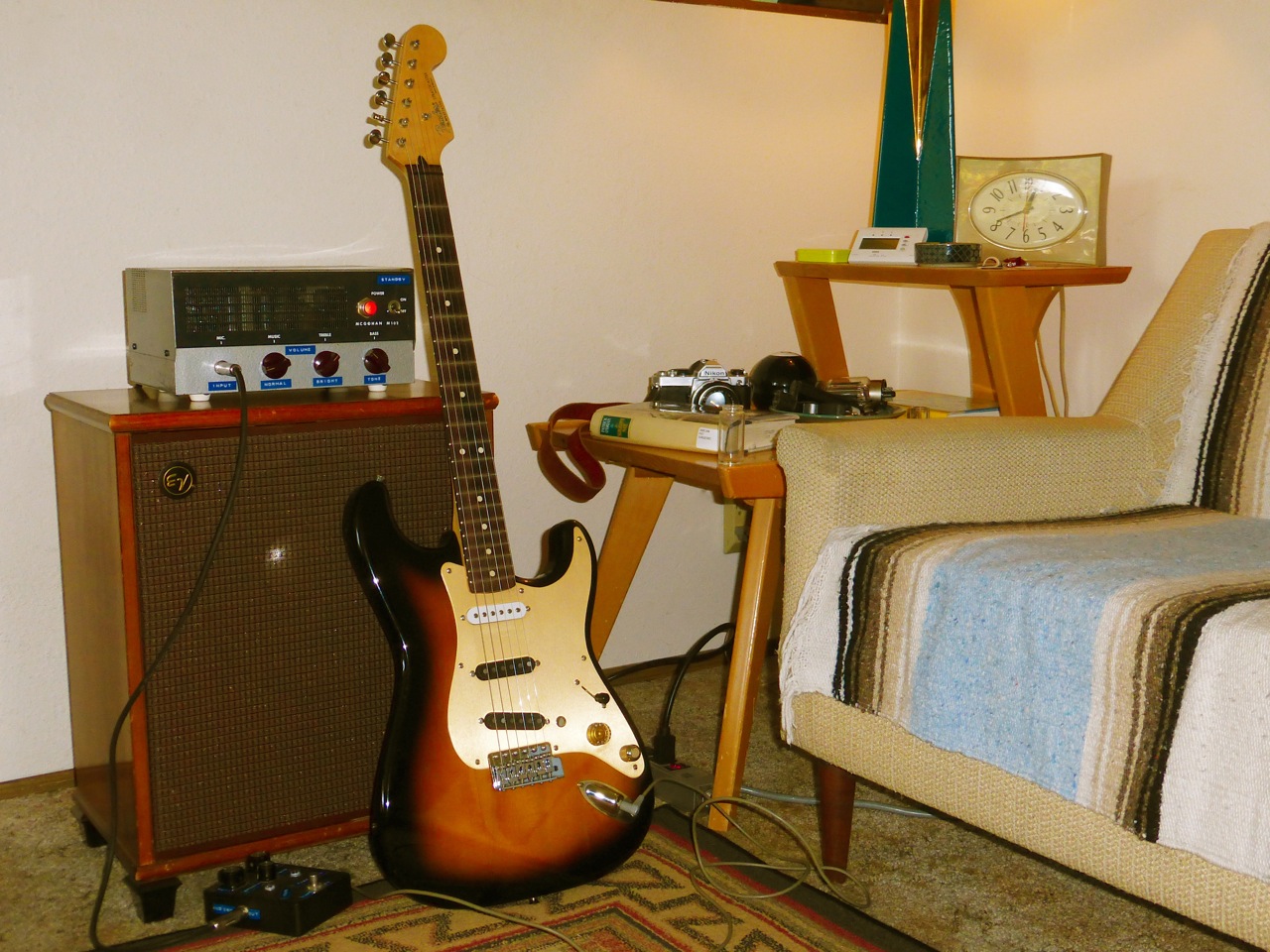
This next photo shows a sampling of some of James' custom work:

James Aōyama guitar, James Aōyama home-brew amp, James Aōyama distortion pedal, stories of home, what home means to me

In his own words: "Playing a jazz standard or a cover of an old rock song can be a lot of fun, but what's really satisfying is performing an original composition. In much the same way, there's a lot of satisfaction to be had picking up an instrument you've put together from various parts, and playing that through a home-brew amp. In the picture above is a "Parts-O-Caster" or "Franken-Caster" guitar created with random components both new and vintage; an ampifier head made by removing the electronic parts from an old tube-style paging amplifier, and rewiring the empty chassis according to a circuit schematic I drew up beforehand; and an early '60s Hammond organ speaker cabinet that was converted for electric guitar use. Between the guitar and the amplifier is a hand-built distortion booster pedal made by my friend David, a luthier and electronics genius."

You can find James on his blog Origami Night Lamp, where he's posted detailed descriptions of the processes involved in some of the creative activities he loves.

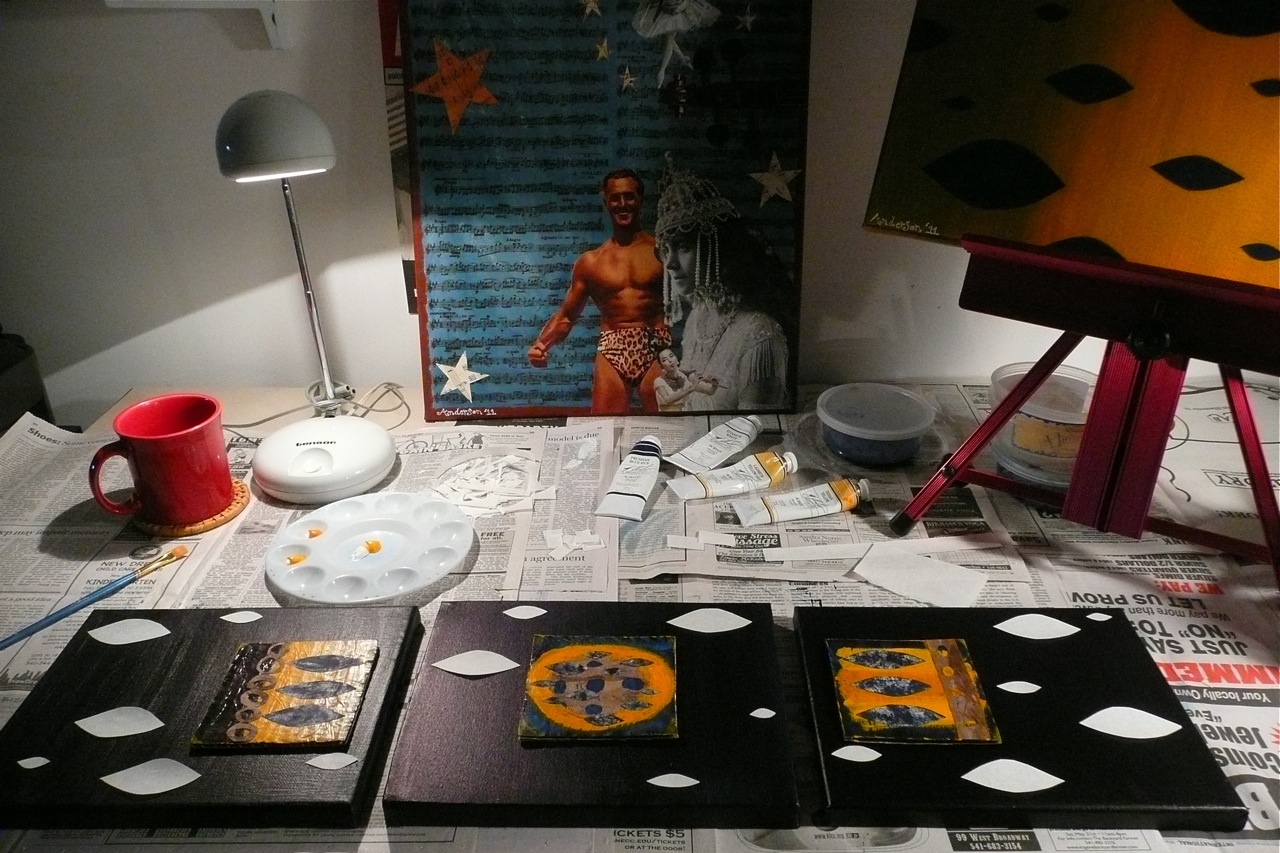
Finding time to explore and make art is one of my biggest struggles.  Between work, my kids, an elderly mom, and the general business of home and family, I have a very limited amount of time left to pursue my interests.I find myself seeking out those fringe hours where I can spend some time doing what I'm passionate about. As my kids get older and need me less, a window of time has opened up, and I've been able to follow my dream of living a creative life. Having a home studio is a big contributing factor toward making that happen. It's only a small space, half of what used to be the garage (remember that mess I was telling you about?), and yet it is the place where I can gather my ideas and materials and get to work; I also do a lot of my work at the kitchen table, next to the large patio doors, when I want a lot of natural light.

June Anderson art, art by June Anderson, stories of home, what home means to me

As you can see, like Audrey, I enjoy working in collage. These interests of ours developed independently over the last several years, although I guess you can say that we have always been somewhat of the same mind.

Another interest I have is collecting vintage 1950s and '60s furniture and household goods and displaying them in my home. I have been a crazy collector of these items for some years.

vintage styled home of June Anderson, June Anderson vintage collector, stories of home, what home means to me
vintage styled kitchen, kitchen styled by June Anderson, June Anderson vintage kitchen, stories of home, what home means to me

Many of the books I like to collect are also from that era.  They provide great insight into how the vintage items I have were used in the home back when they were made.  I also like books about art, art history, design, and gardening, and use these books for inspiration, often supplementing them with regular trips to the public library.

bookshelf of June Andersons books, art books, art history books, design books, gardening books,stories of home, what home means to me

You could say that the expression, through art, of what home means to me began with photography and memory keeping. Ever since I can remember, I have always loved taking photographs and documenting family and life events. When I found scrapbooking, it provided a context for all of the photos and memories I had been gathering over the years. One of my favorite bedtime rituals as of late has been taking the time to journal. A personal, private journal, where I tell the stories of our family, became a part of my scrapbook journaling, and now is a part of our family's history - a history about life, family, and yes, home.

June Andersons scrapbooks, scrapbooking, scrapbooks, scrapbook albums, pocket scrapbooks, pocket scrapbooking, stories of home, what home means to me

For no matter where we go, we inevitably carry what we've learned at home with us. Home is where the roots of our beginnings lie, where our first memories are made, and where our story begins.  

Thanks for reading!

SHARE:

Sunday, August 9, 2015

Owen Rose Garden

Owen Rose Garden, Fourth of July rose, red roses, roses

On a recent very overcast summer day, we spent some time at the Owen Rose Garden. This eight and a half acre park is located along a bike path which runs beside the Willamette River in Eugene.  The land was donated to the city by former city councilor George E. Owen in 1951, and at that time, the Eugene Rose Society donated the original 750 rose bushes. Today, the park boasts more than 4,500 roses of over 400 varieties.

Owen Rose Garden, roses, rose garden
Owen Rose Garden, rose garden, roses, rose park
Owen Rose Garden, rose garden, roses, garden

Along with the brilliant red 'Fourth Of July' shown in the first photo above, here are a few other varieties of roses that I took note of:

Hot Cocoa:
Owen Rose Garden, Hot Cocoa rose, rose, red rose, rose garden
Owen Rose Garden, Hot Cocoa rose, red rose, rose, rose garden

Julia Child:

Owen Rose Garden, Julia Child rose, yellow rose, yellow roses, rose garden

Cinco de Mayo:

Owen Rose Garden, Cinco de Mayo rose, orange rose, rose, rose garden
Owen Rose Garden, Cinco de Mayo rose, orange roses, rose garden, orange rose

Golden Holstein:

Owen Rose Garden, Golden Holstein rose, yellow roses, rose garden
Owen Rose Garden, Golden Holstein rose, yellow rose, rose garden

The park also takes pride in an Oregon Heritage Tree, a cherry which is about 150 years old. This tree is so large that its heavy gnarled branches are supported by several support beams, and there are signs posted advising against climbing the brittle old limbs.


Owen Rose Garden, Heritage Cherry Tree, Heritage Tree, cherry tree, rose garden, roses

There were some other roses along one border of the park that were not identified, however James became smitten with these pink beauties and took a few photos: 

Owen Rose Garden, pink rose, rose
Owen Rose Garden, rose garden, pink rose, rose

And who can resist some fascinating friends from the insect world?  Here are a dragonfly taking a rest, a ladybug most likely looking for aphids, and a busy buzzing bee gathering pollen:

Owen Rose Garden, dragonfly, rose garden
Owen Rose Garden, ladybug, rose garden
Owen Rose Garden, bee, rose garden

Thanks for coming along with me on this tour through a little gem of a park in my town.

Owen Rose Garden, June Anderson, June Anderson Under The Plum Blossom Tree, June Anderson photographer, photographer June Anderson, Plum Blossom Phototgraphy


SHARE:

Tuesday, August 4, 2015

Kawaii Corner: Ries Japan Hand Decorated Figurine

Ries Japan, Hand Decorated, kawaii, Ries figurine, cute, Made in Japan

Of the various characteristics that make up the Japanese style of cuteness known as 'Kawaii' (originally translated as 'radiant face', this now means 'lovable'), the most recognizable, and the best loved, is big eyes. Child-like features such as large eyes, along with a high forehead, wide cheeks, and a proportionally smaller nose and mouth increase the cuteness factor, as well as stimulate our desire to care for, and care about, animals and other humans with these unique features.

Ries Japan, Hand Decorated, kawaii, cute, Made in Japan, Ries figurine

And if you ask me, if your kitty (wait - is this a kitty? Or a tall thin lion cub?) is wearing an attractive red polka-dotted bow tie, and is resting its plump head on its curvy tail in an endearing 'look at me!' pose, well, it just can't get any cuter! Our loveable little friend definitely wants to stand out in a crowd.

This adorable Kawaii figurine still has a sticker on the bottom that says "Ries Japan" and "Hand Decorated." The only thing missing is whatever little charm or tag was attached to the wire ring under the bow tie.

Thanks for meeting me here on 'Kawaii Corner', and we'll see you again soon!


SHARE:

Friday, July 31, 2015

Styling The Seasons - July


Styling The Seasons, roses, blackberries, 495-USA, flower arrangement, floral arrangement, lavender, The Haeger Potteries, Shirokiya, Shirokiya brand, Shirokiya light, Shirokiya night light, Haeger vase, Haeger yellow vase, Haeger yellow flower vase, Haeger floral

During July, I've been having fun with flowers and floral arrangements, and so that's what I'm featuring for this month's Styling The Seasons post. As well as taking a memorable trip to a festival at a nearby lavender farm and getting to cut the bouquet in the yellow vase, I also applied some of the flower arranging skills I've learned lately, and came up with a lovely rose and blackberry floral display.
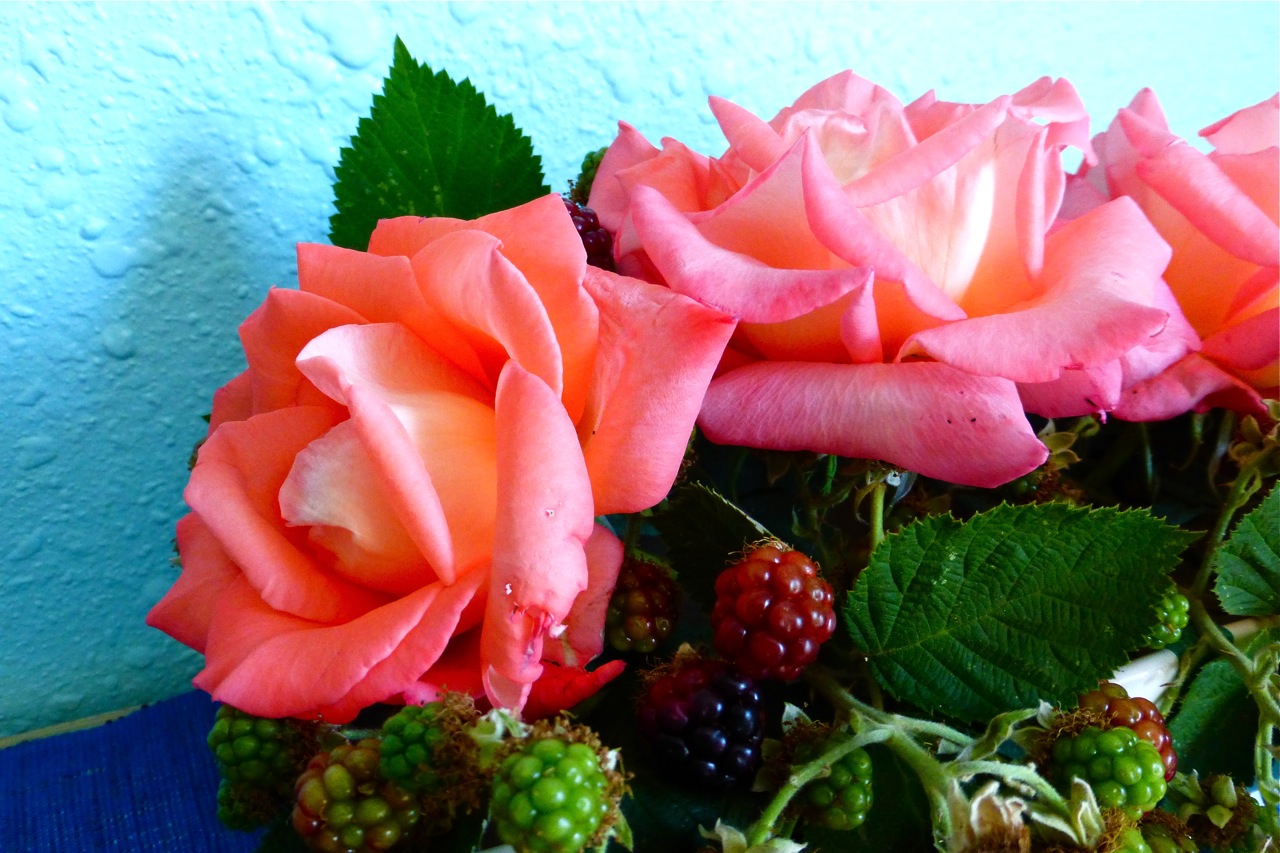
     
Flower arranging techniques have always seemed like an impossible mystery to me. When I started gardening a few years ago, I wanted to display flowers from my garden inside my home. That started me on a journey of discovery, to understand the methods involved in creating arrangements, and applying the skills I learned along the way. My greatest sources of inspiration have been Instagram and blogs. At Instagram, I discovered a whole new way of displaying and photographing flowers; and blogs, such as Design Sponge, have flower arranging tutorials. One such tutorial had an arrangement that utilized blackberries in this particular stage of growth, and I loved it so much that I wanted to give it a try. I liked how the coral pink roses have similar hues as the unripe berries, and decided to mix the two:

coral roses, blackberries, roses, 495-USA, flower arrangement, floral arrangement, roses and blackberries floral arrangement
roses, blackberries, rose and blackberry floral arrangement, floral arrangement
roses, blackberries, rose and blackberry floral arrangement, floral arrangment

The white rectangular ceramic container I used in the above arrangement is vintage, but the only marking on the bottom is '495-USA'.

On a recent beautiful sunny Saturday we drove east of town, up the McKenzie River to a Lavender Festival held at the McKenzie Lavender Farm. As you might imagine, there was lavender everything in the booths that were around the flower fields - soaps, perfumes, essential oils - and even lavender soda! There were five varieties of lavender to choose from, and a helpful staff at the ready, handing out scissors for cutting the flowers, and floral wire to wrap it up into bunches. I decided to cut some of each of the five varieties, which created a richly toned bouquet of the various shades of purple.

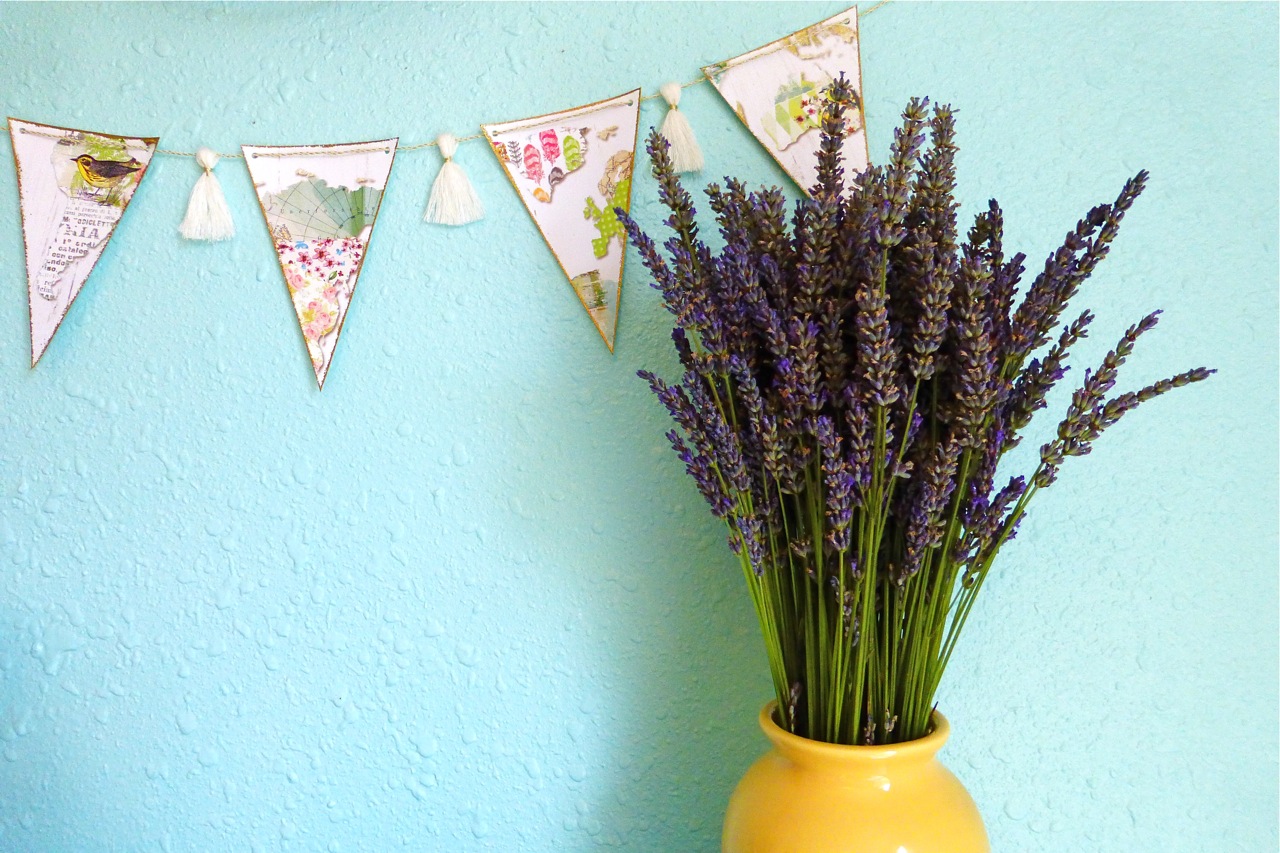
lavender, Haeger vase, Haeger floral vase, The Haeger Potteries, paper banner, decorative paper banner, Webster's pages, Webster's pages Nest, Webster's pages Brandi O'Neill, Webster's pages My Home

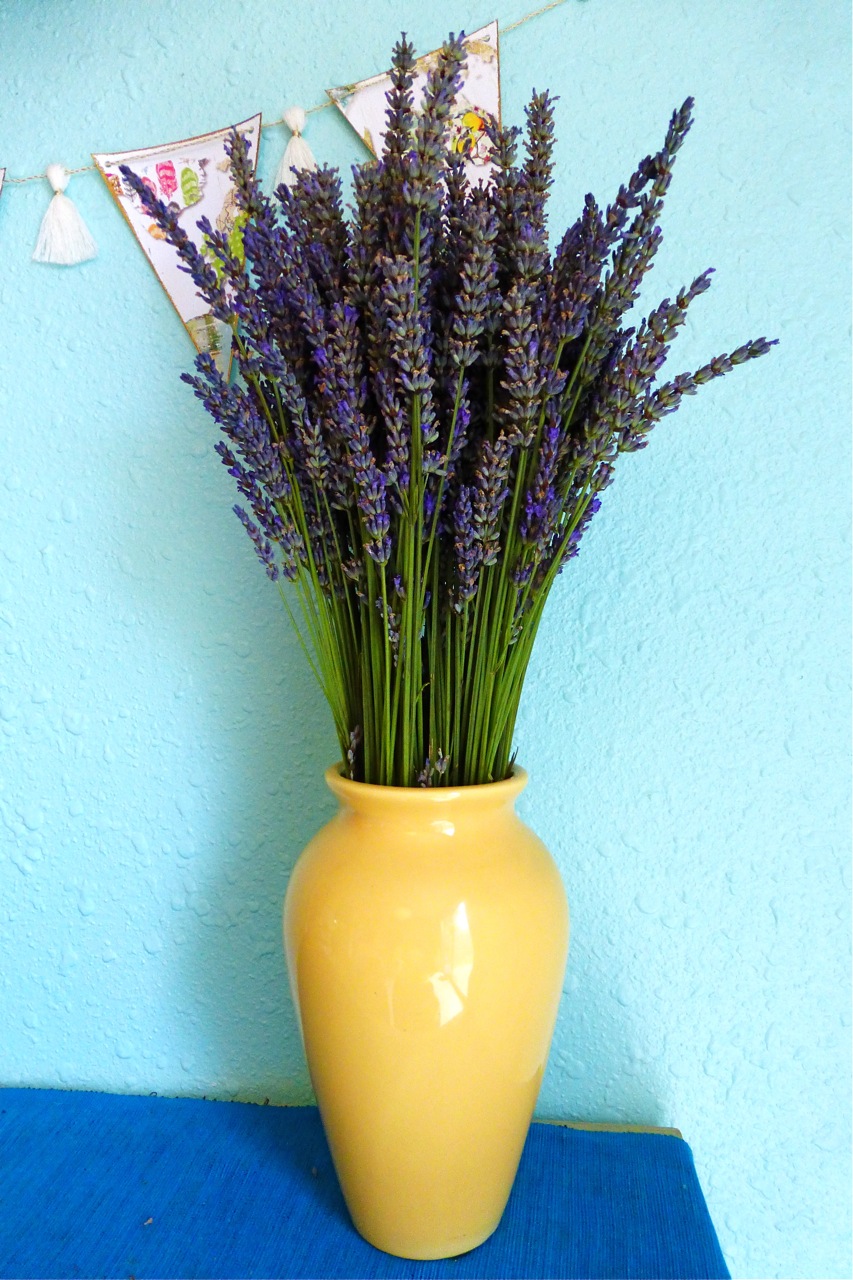
I placed the majority of the lavender bouquet in a yellow Haeger floral vase. The Haeger Potteries have been making artware here in the United States since 1871, and like Fiestaware, it's a brand I have always loved collecting, whether one of the newest pieces available today, or a lucky vintage find in a charity shop.

Haeger floral vase, yellow Haeger floral vase, The Haeger Potteries floral vase, The Haeger Potteries, lavender, summer lavender bouquet
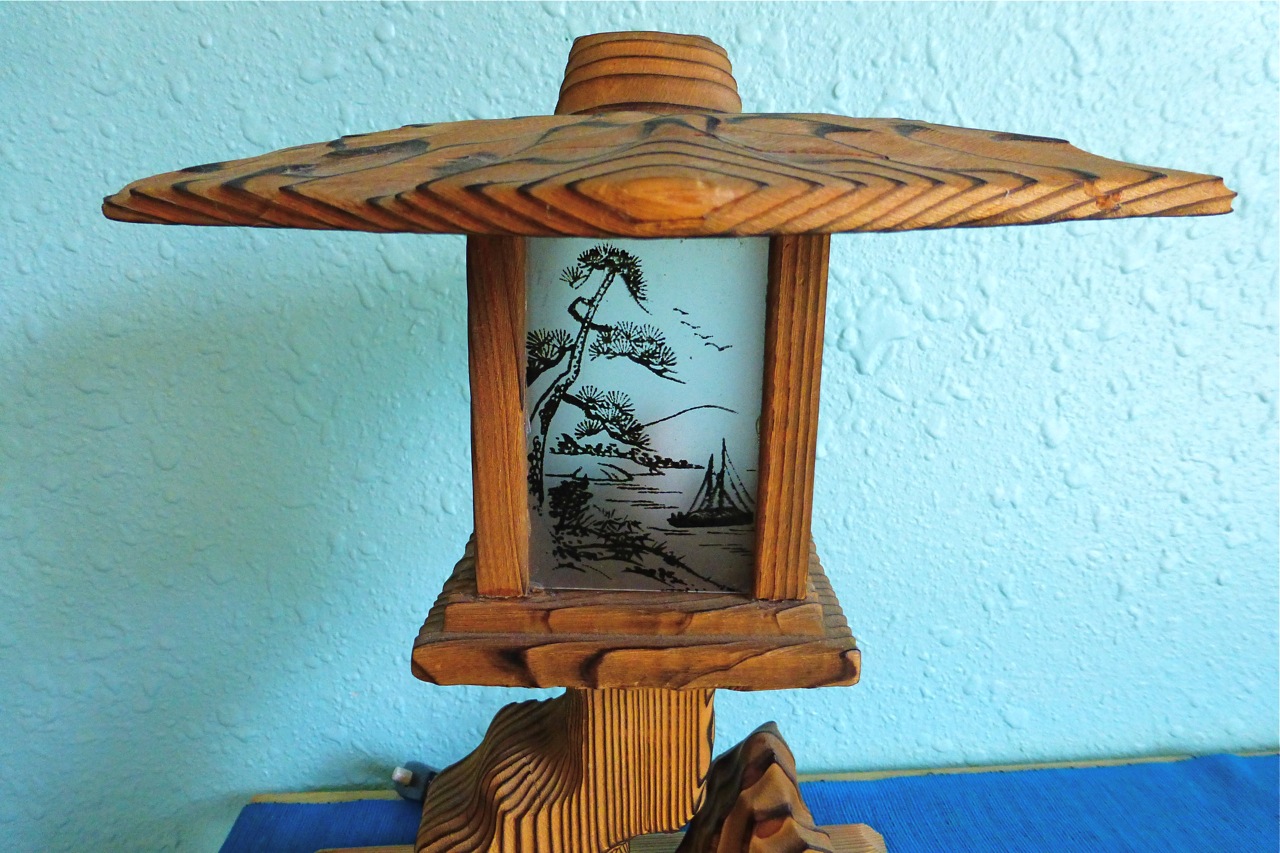
Shirokiya lamp, Shirokiya lamp made in Japan, Japanese Shirokiya lamp, Shirokiya brand lamp, Shirokiya night light, Shirokiya brand night light, Shirokiya wooden lamp, Shirokiya wood light

Have I shown you this cute little wooden night lamp before? It may have appeared in some other post in the past, but I haven't yet talked about it.  

The Shirokiya company has been making decorative home furnishings, such as this lamp, ever since it was founded in Tokyo, Japan in 1662 - during the Edō period! Of course this particular lamp isn't that old, but my guess, based on the writing style of the sticker on it, is that it's from the 1960s or '70s. Our family has been using it as a night light in our kitchen/dining area, and the small bulb inside lights up an illustrated scenic panel, casting a very nice warm glow at night.

Shirokiya light, Shirokiya night light, Shirokiya brand wooden night lamp, Shirokiya wood light

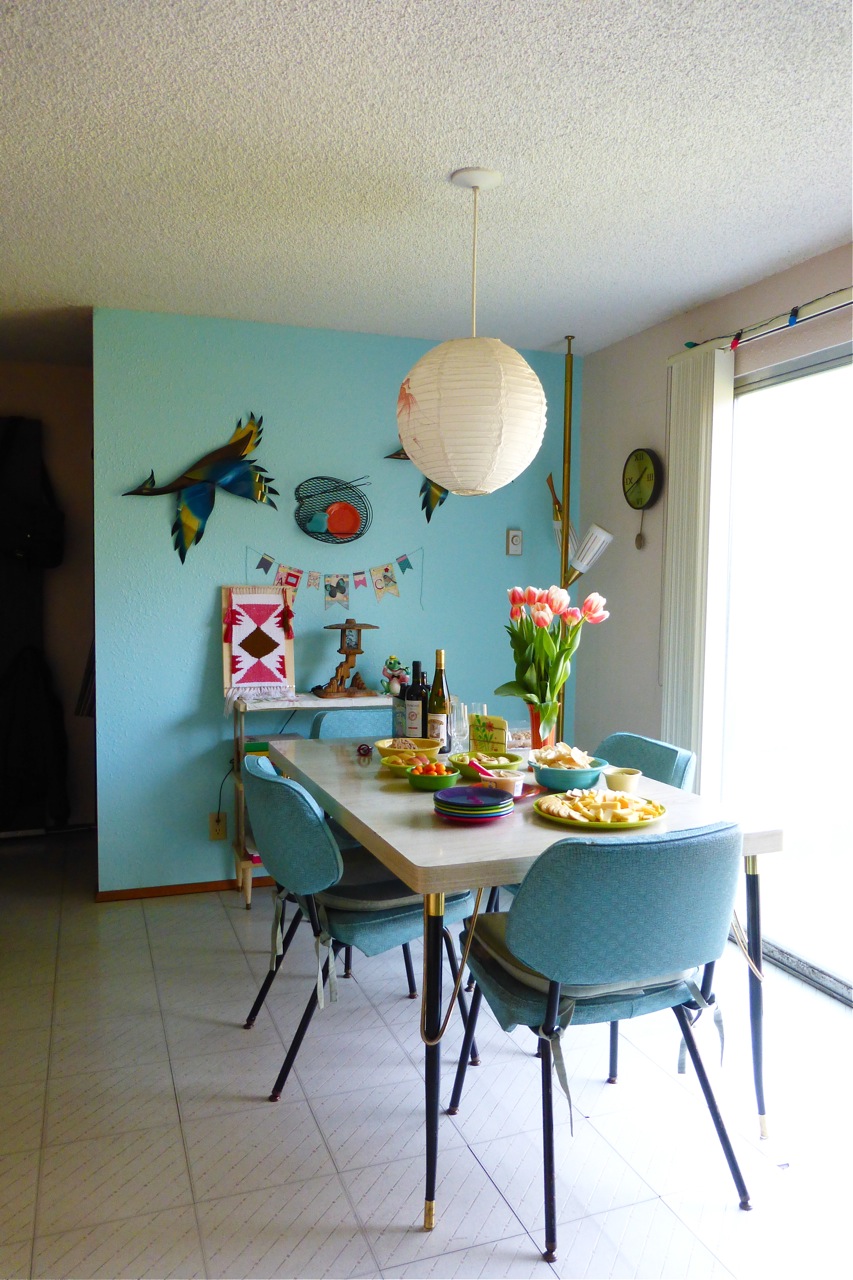
The paper banner shown in the top photo, and the photo below, is one I made last month and featured in my Styling The Seasons post for the month of June. I'm still enjoying it a lot, and decided to leave it up for the summer months. I love how the white banner looks against the turquoise wall!

Shirokiya lamp, Haeger floral vase, Webster's pages Nest, Fiestaware, vintage birds in flight, flower arrangement, floral arrangement, roses, blackberries, lavender, Styling The Seasons

Thank you for joining me for this month's Styling The Seasons! If you would like to know more about Styling The Seasons, visit Katy Orme's blog Apartment Apothecary and Charlotte's blog Lotts & lots.  

SHARE:

Wednesday, July 22, 2015

Picasso And Primitivism: The Story Behind The Masks

Picasso, Primitivism, Les Demoiselles d'Avignon, 1907, art, art history, painting, African art, African sculpture, Iberian sculpture, modern art
Les Demoiselles d'Avignon, 1907
Over the years, there has been a lot of speculation concerning how Pablo Picasso conceived the ideas for his paintings, and what influences played a part in his departure from traditional representational art to a linear, more abstract style.  In Gardner's "Art Through The Ages", Fred S. Kleiner and Christin J. Mamiya refer to the "energetic, violently striated features of the two heads to the right" in Picasso's Les Demoiselles d'Avignon, seen above. But are they "violently striated heads", or are these two young ladies actually wearing masks?

Considered to be at the forefront of the modernist artistic movement, Picasso was greatly influenced by what is known as the 'plastic arts' (a reference to sculpture and its three dimensional interpretation of form), and is said to have been intensely committed to innovation, both materially and stylistically. As well, he was an avid collector of African arts.


During the early years of the twentieth century, as a direct result of European colonialism, anthropological and ethnographic museums had become well established in many of the major cities of Europe.  Displaying thousands of art objects made by the peoples of the Oceanic and African colonies, these museums provided an insight into parts of the world that previously most European people knew little about.  Unfortunately, the manner in which these artworks were displayed, referring to them as 'artificial curiosities' or 'primitive objects', reinforced to the public the idea that colonialism was justified.


Although the term 'Primitivism' appears to have been coined around this time (with similar notions going as far back as Socrates), it has both positive and negative connotations in the art historical record.  In its most basic usage, it refers to a certain simplicity of form, yet it can also insinuate a lack of intellectual reasoning or low level of artistic skill.  For the purposes of this essay, let us say that we are using the term 'primitive' as it relates to an art process or style.


For the artists of the first decade of the twentieth century, it can be argued that their main purposes for borrowing certain aspects of African art styles and techniques was because it not only shook up what was a long tradition of naturalism and Realist painting schools, but also it intermingled certain stylistic traits of African art with their own works. Thus they created a fresh new art that represented a welcomed departure from traditional styles, a departure that was already at work, for example in the later, Post-Impressionist paintings of Paul Gauguin.


That is not to say that the creators of these new works were not ethnocentric, but they were lacking in the specialized knowledge that would have been required to know the context of African art.  Plucked from the hands of the original artists, shipped hundreds or thousands of miles away, displayed in museums as curios and at flea markets as trinkets - these are the circumstances under which Picasso and his contemporaries encountered these fascinating objects.  If anything they can be faulted for attaching their own subjective meanings to these works, as artists tend to do with most any aspect of their own art process. 

In fact, the story is that in about 1905, Parisian artists Maurice de Vlaminck and André Derain made several trips to the Trocadéro Museum in Paris.  According to De Vlaminck, in the excerpted essay Portraits avant déce's in "Primitivism and Twentieth-Century Art", "We had become thoroughly familiar with the museum, having looked at everything with great interest. But neither Derain nor I viewed the works on display there as anything other than barbarous fetishes. The notion that these were the expressions of an instinctive art had always eluded us."  Yet he found himself one afternoon in a bistro after having spent the day painting alongside the Seine River, facing, "three Negro sculptures. Two were statuettes from Dahomey...and the third, from the Ivory Coast..."  Of these he stated, "These three sculptures really struck me.  I intuitively sensed their power.  They revealed Negro Art to me."  He further exclaimed, "These three Negro statuettes in the Argenteuil bistro were showing me something of a very different order entirely!  I was moved to the depths of my being."  He convinced the owner to sell him the statues and showed them to a friend of his father's. This friend offered to give him more African sculptures.  He states, "I went to his place, and I took a large white mask and two superb Ivory Coast statues."


African mask, Fang Gabon mask, Primitivism, Maurice De Vlaminck, André Derain, white mask, African sculpture, African mask, wood mask, wood mask sculpture

"I hung the white mask over my bed", De Vlaminck went on to say, further stating, "I was at once entranced and disturbed: Negro Art was revealed to me in all its primitivism and all its grandeur. When Derain visited me and saw the white mask he was speechless."  Derain immediately offered to buy the mask but De Vlaminck turned down the offer.  Several days later, Derain offered a higher amount and De Vlaminck accepted, saying, "He took the object to his atelier on the Rue Tourlaque and hung it on a wall. When Picasso and Matisse saw it at Derain's they were absolutely thunderstruck."  

studio of André Derain, Paris studio of André Derain, Paris studio of André Derain, 1912, 1913, African masks, African sculptures, African art, studio art
Corner of the studio of André Derain, Paris, circa 1912-1913
French artist Henri Matisse also had an interest in African sculpture.  In another essay, First Encounter With African Art, Matisse tells the story of frequently walking past a curio shop and seeing African statues.  In describing what he saw he stated, "I was astonished to see how they were conceived from the point of view of sculptural language... these Negro statues were made in terms of their material, according to invented planes and proportions."  Matisse eventually bought one of the sculptures and brought it to Gertrude Stein's apartment.  He states, "I showed her the statue, then Picasso came by, and we chatted.  That was when Picasso became aware of African sculpture."  Matisse also tells us that a large mask that Derain purchased, "...became something of interest for the group of advanced painters."

"Everyone always talks about the influence of the Negroes on me", states Picasso in Discovery of African Art (also excerpted in "Primitivism and Twentieth-Century Art").  "The masks weren't like other kinds of sculpture. Not at all.  They were magical things... intercessors... against everything; against unknown threatening spirits... I understood what the purpose of the sculpture was for the Negroes."  From this and other interviews given by Picasso, it has become clear that his understanding of African art came from an artist's perspective.  As an artist himself, he intuitively understood the function of artistic tradition in African society and related that to his own role as an artist within his own culture.  In other words, the process of creating a work of art and the role of the artist in that process, and in society as a whole, are interconnected spiritually and are a shared human dynamic amongst artists throughout the world.  He further states, "If we give form to the spirits, we become independent of them.  The spirits, the unconscious emotion, it's the same thing.  I understood why I was a painter."  He then claims that Les Demoiselles d'Avignon came to him, "not at all because of the forms: but because it was my first canvas of exorcism..."

Picasso studio, Bateau-Lavoir studio, Bateau-Lavoir Picasso, Picasso studio 1908, Picasso African sculpture, Picasso African art, Picasso studio Bateau-Lavoir Paris 1908, Picasso Paris studio, Picasso Paris studio 1908, Picasso studio African sculpture, Picasso Primitivism
Picasso in his studio in the Bateau-Lavoir, Paris, 1908
What Picasso was referring to was the process: the physical act of creating a work of art coupled with the psychological act of giving ideas physical form. After all, he is known to have stated that "I paint forms as I think of them", and that the African sculptures he collected and displayed in his studio were witnesses to his art process, rather than models for it.  Perhaps this is why there is no particular African mask that could be said to be the source for the masks in Les Demoiselles d'Avignon.    

Les Demoiselles d'Avignon is considered to be Picasso's first foray into a new, more dynamic way of depicting not only form, but space as well. This departure from tradition, while inspired by African sculpture, was also influenced by his earlier studies of ancient Iberian sculpture and by the paintings of Paul Cézanne, and is ultimately considered to be the beginning of Picasso's invention, with fellow artist Georges Braque, of Cubism.    

Once we understand the circumstances under which Pablo Picasso encountered African works of art, and view the art he created during this phase of his career, such as Les Demoiselles d'Avignon, we can agree with De Vlaminck when he says: "It was Picasso who first understood the lessons one could learn from the sculptural conceptions of African and Oceanic art and progressively incorporated these into his painting."
SHARE:
© Under The Plum Blossom Tree | All rights reserved.
Blogger Template Created by pipdig